
Analysis of Complex Electrochemical Systems (ACES) lab
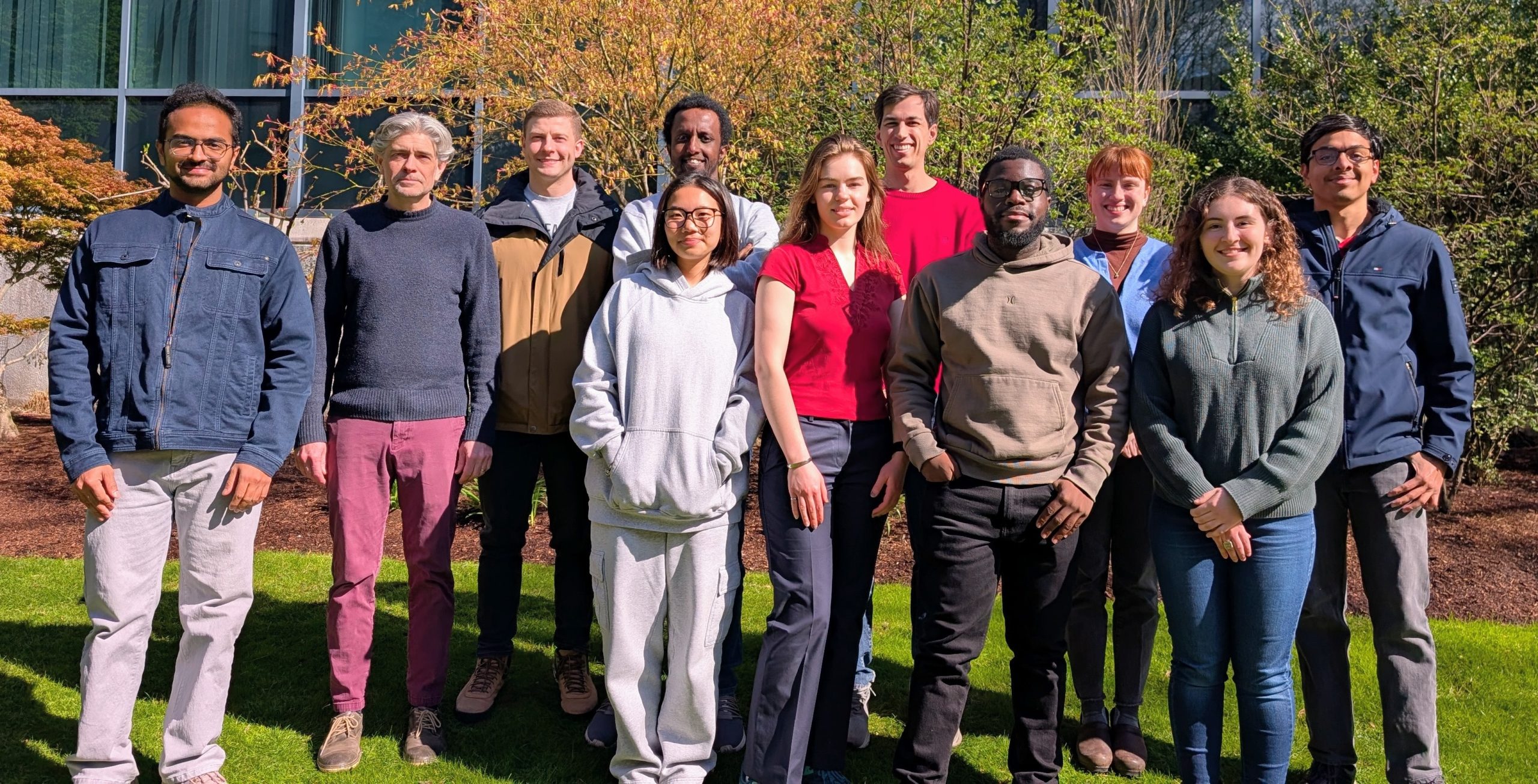
Dr. Joshua W. Gallaway is an Associate Professor of Chemical Engineering at Northeastern University. He received his Ph.D. in Chemical Engineering from Columbia University in 2007, followed by postdoctoral work at Columbia and then a position as Senior Research Associate at the City University of New York (CUNY) Energy Institute. There he worked on rechargeable alkaline battery technology that contributed to the founding of Urban Electric Power (UEP). He joined Northeastern in 2017. The Gallaway group is a battery engineering research laboratory studying the electrochemical and structural mechanisms that govern battery performance across aqueous, lithium, and primary cell systems. The group uses operando synchrotron characterization combined with electrochemical modeling and cell engineering, with support from the National Science Foundation, Department of Energy, Department of Defense, NASA, and industry partners. Dr. Gallaway has published over 50 peer-reviewed articles and book chapters in journals including Joule, ACS Energy Letters, JACS, and Advanced Energy Materials. He serves as Member-at-Large of the Battery Division of the Electrochemical Society (ECS) and as Chair of the ECS New England Section.
| Professor Joshua Gallaway Associate Professor Department of Chemical Engineering Northeastern University | Curriculum Vitae Google Scholar |
| Office: 215 Cullinane Hall Lab: 252 Egan Research Center j.gallaway at northeastern.edu (617) 373-3769 | Office Hours Summer 2026: By appt |